
What Homeowners Should Know Before Installing a Gas Fireplace
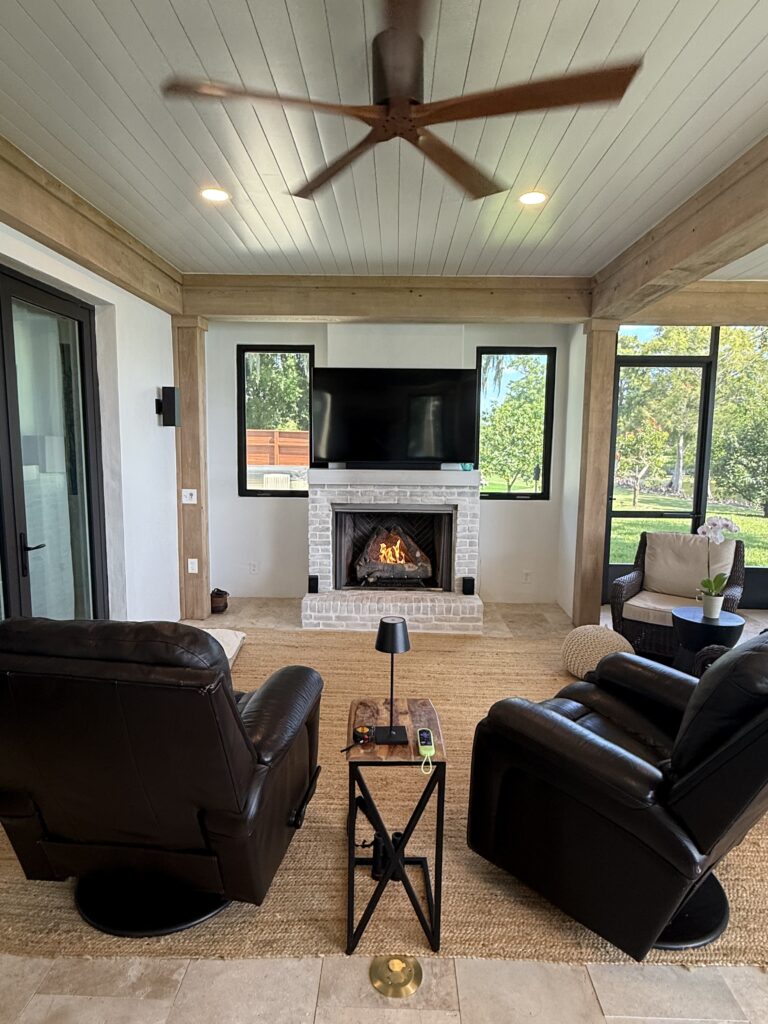
Installing a gas fireplace can be a great upgrade – but it’s not something you want to rush into without understanding what’s involved. From gas lines and venting to permits and placement, there are a few key things every homeowner should know before moving forward.
Whether you’re replacing an existing fireplace or planning a brand-new installation, taking the time to understand the process upfront can save you money, prevent delays, and avoid problems down the road.
Not Every Home Is Set Up the Same
One of the biggest misconceptions about gas fireplaces is that they’re “plug and play.” In reality, every home is different.
Some homes already have a gas line nearby. Others require new gas piping. Venting options also vary depending on the layout of your home, exterior walls, and roof access. These factors play a major role in both cost and installation timeline.
That’s why two homes can want the same fireplace – and have very different installation experiences.
Gas Line Access Matters More Than You Think
A gas fireplace needs a properly sized and safely installed gas line. If your home already has gas service, that’s a great starting point. If not, adding gas may be part of the project.
Even in homes with existing gas, the fireplace may still need a dedicated line. Undersized or improperly run gas lines can cause performance issues or prevent the fireplace from operating correctly.
→ This is not an area where shortcuts pay off.
→ Venting Options Affect Safety and Placement
→ Before installing a gas fireplace, it’s important to understand how it will vent.
→ Some fireplaces require venting to the exterior, while others are vent-free. Each option has specific placement rules, code requirements, and safety considerations.
→ Where you want the fireplace and what type you choose are closely connected. In many cases, venting requirements determine what’s possible — not just personal preference.
Permits Are Usually Required
In most Florida cities, gas fireplace installations require permits and inspections. These ensure the system is installed safely and meets local building codes.
Skipping permits might seem like a way to save time or money, but it can create issues later, especially during home inspections, insurance reviews, or resale.
A professional installer will handle permits as part of the process, so nothing gets missed. Fireplace & Gas Services are always permitted.
The Fireplace Type Impacts Long-Term Satisfaction
Not all gas fireplaces are the same. Inserts, built-in units, and custom fireplaces all serve different purposes.
Some homeowners prioritize heat output. Others care more about appearance or ease of use. Understanding how you plan to use the fireplace helps determine which type is the best fit.
Choosing the wrong style can lead to disappointment – even if the installation itself is done correctly.
Installation Is Only Part of the Investment
A gas fireplace isn’t just about installation day. Like any gas appliance, it needs occasional maintenance to operate safely and reliably.
Annual inspections help prevent issues, extend the life of the unit, and ensure everything is functioning as it should – especially in Florida, where fireplaces sometimes sit unused for long periods after summertime.
Professional Installation Makes the Difference
Gas fireplaces involve fuel, combustion, and safety systems. Even small mistakes can lead to performance problems or safety concerns.
Working with a professional ensures:
- The fireplace is properly sized
- Gas lines are installed correctly
- Venting meets code
- Permits and inspections are handled
Most problems we see come from installations that weren’t done right the first time.
Thinking About Installing a Gas Fireplace?
If you’re considering a gas fireplace, Fireplace & Gas Services can help you plan it the right way.
We’ll evaluate your home, walk you through your options, and make sure your fireplace is installed safely and correctly from day one.
If you have questions or want expert input before moving forward, it’s time to talk to a technician.