
Gas Fireplace Won’t Turn On? 9 Causes (and Fixes)
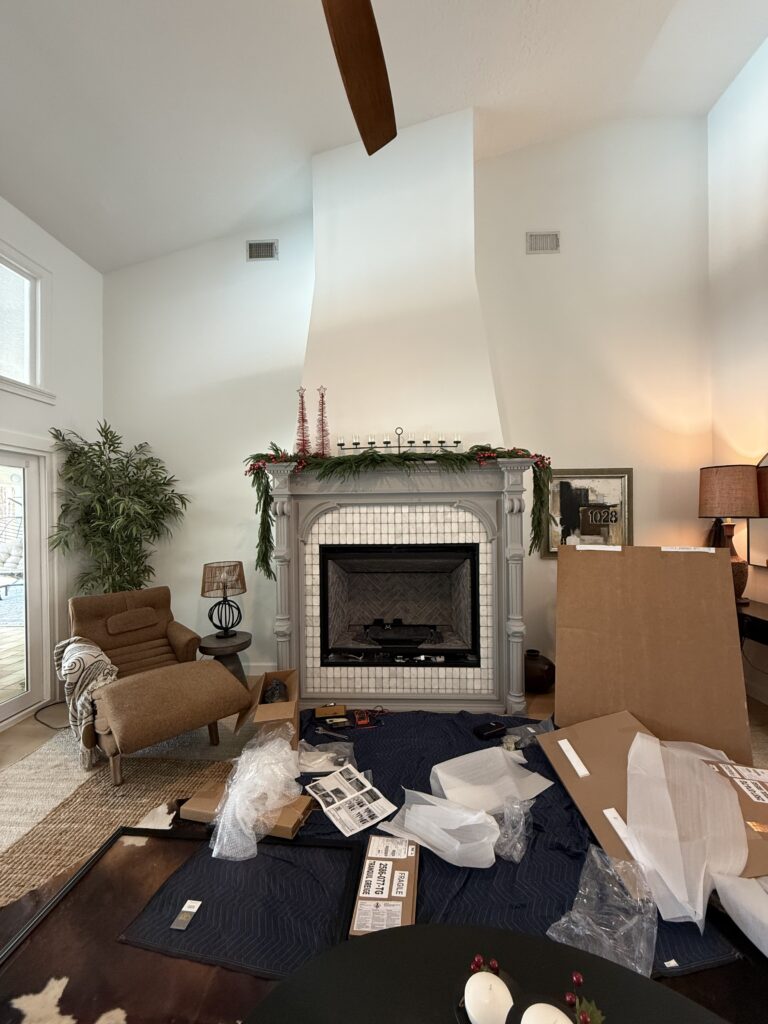
A gas fireplace that won’t turn on is frustrating, especially when you’re expecting quick warmth and instead get… nothing. The good news? Many gas fireplace issues have clear causes. The bad news? Some problems are unsafe to ignore.
Below are 9 of the most common reasons a gas fireplace won’t turn on, what they usually mean, and when it’s time to schedule a service call.
1. The Gas Isn’t Actually On
It sounds obvious, but this is one of the most common issues we see. Gas fireplaces often have more than one shutoff valve, and if even one is closed, the fireplace won’t ignite.
This can happen after renovations, inspections, or long periods of non-use. If other gas appliances in your home are working, the issue is usually isolated to the fireplace line. If you’re unsure where the shutoff valve is or how it should be positioned, it’s best not to force it.
2. The Pilot Light Went Out
If your fireplace uses a standing pilot, it won’t turn on if that flame is out. Pilot lights can go out due to drafts, debris buildup, or simply sitting unused for months.
While relighting a pilot can be simple, doing it incorrectly can cause repeat failures or damage internal components. If the pilot won’t stay lit, there’s usually a deeper issue.
3. The Thermocouple or Thermopile Is Failing
These small safety components sense heat from the pilot flame and signal the gas valve to stay open. When they’re dirty, worn, or failing, the fireplace may not turn on at all, or it may shut off shortly after lighting.
A common sign of this issue is a pilot that lights briefly and then goes out. This is one of the most frequent reasons homeowners end up needing service.
4. The Wall Switch or Remote Isn’t Working
Sometimes the fireplace itself is fine, it’s just not receiving the signal to turn on. Dead batteries, loose wiring, or aging wall switches can all prevent ignition.
If the fireplace doesn’t respond at all when you try to turn it on, this is often the culprit.
5. A Safety Sensor Was Triggered
Modern gas fireplaces are designed to shut down if something doesn’t look right. If airflow is restricted, temperatures rise too high, or venting isn’t functioning properly, the system may prevent ignition entirely.
When this happens, the fireplace is protecting you, not malfunctioning.
6. Venting or Airflow Issues
Gas fireplaces need proper airflow to operate safely. Blocked vents, nesting debris, or buildup inside the venting system can stop the fireplace from turning on.
In Florida, this is especially common after storms or long off-seasons when fireplaces aren’t used regularly.
7. Dirty or Clogged Internal Components
Over time, dust, soot, and residue build up inside the fireplace. This can interfere with ignition, burners, and safety sensors.
Fireplaces that haven’t been serviced in years often struggle to turn on consistently because the system simply isn’t clean enough to operate properly.
8. A Faulty Gas Valve
The gas valve controls when fuel flows to the fireplace. If it fails, the gas won’t reach the burner, and ignition won’t happen.
This is not a DIY fix. Gas valve issues should always be handled by a licensed professional.
9. The Fireplace Hasn’t Been Maintained
Many no-start issues come down to one simple cause: lack of regular maintenance.
Annual inspections help catch worn parts, clean internal components, and ensure everything is operating safely. Most major fireplace failures start as small, preventable issues.
If you smell gas, hear repeated clicking without ignition, notice the fireplace turning on and off randomly, or can’t keep the pilot lit, it’s time to stop troubleshooting.
Gas appliances aren’t something to experiment with. The safest and fastest solution is to call a professional.
Hi, this is a comment.
To get started with moderating, editing, and deleting comments, please visit the Comments screen in the dashboard.
Commenter avatars come from Gravatar.